Business · Doha New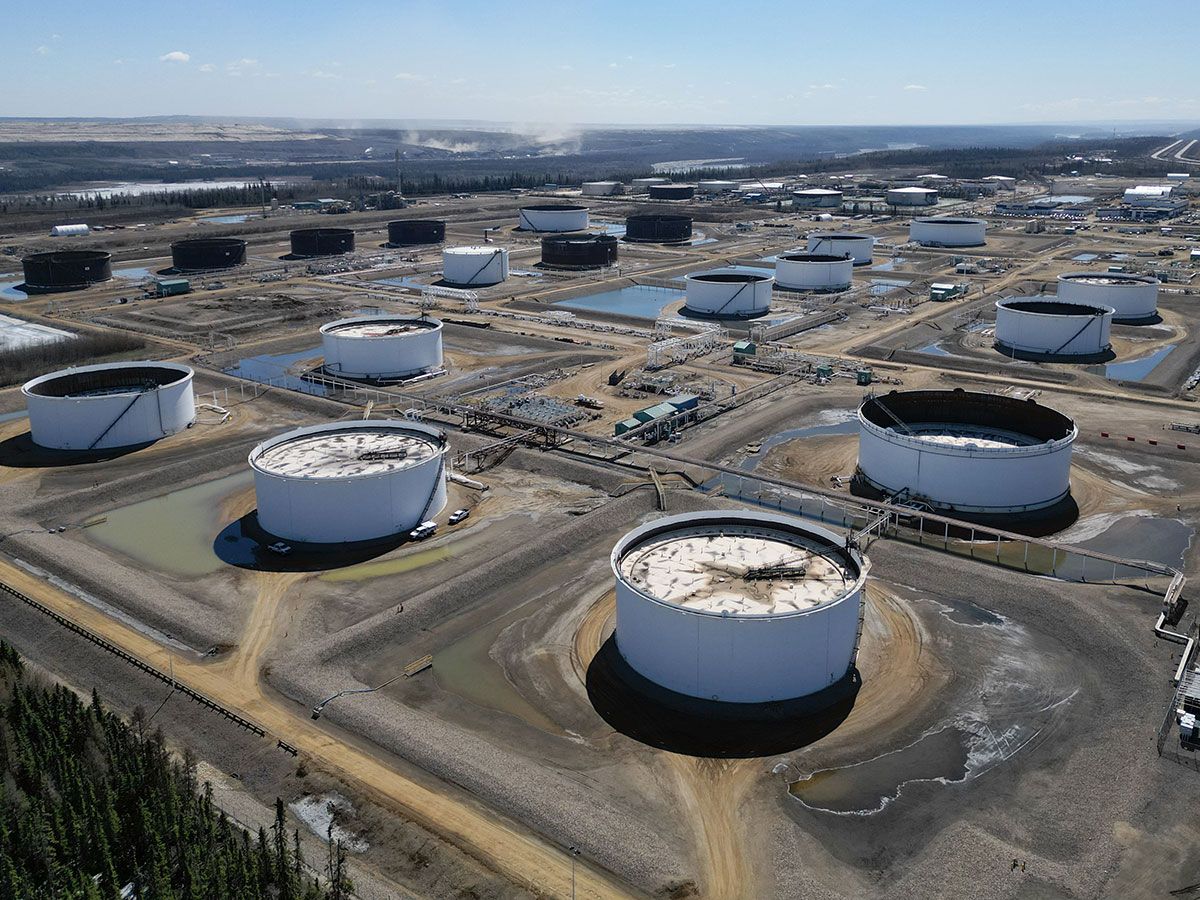
Skip to Content News Archives Economy Defence Energy Oil & Gas Renewables Electric Vehicles Mining Commodities Agriculture Real Estate Mortgages Mortgage Rates Finance Banking Insurance Fintech Cryptocurrency Defence Work Wealth Smart Money Wealth Management Investor Personal Finance Family Finance Retirement Taxes High Net Worth FP Comment Executive Women Puzzmo Newsletters Financial Times Business Essentials More Innovation Information Technology FP500 Podcasts Small Business Lives Told Tails Told Shopping Financial Post Store Obituaries Place a Notice Advertising Advertising With Us Advertising Solutions Postmedia Ad Manager Sponsorship Requests Classifieds Place a Classifieds ad Working Profile Settings My Subscriptions My Offers Newsletters Customer Service FAQ News Economy Energy Mining Real Estate Finance Defence Work Wealth Investor FP Comment Executive Women Puzzmo Newsletters Financial Times Business Essentials Home Commodities Energy Oil & Gas Why is Alberta oil shedding value even as global crude markets soar? Discount to WTI more than doubles in less than a month as forces build against Western Canadian Select Last updated 1 hour ago An aerial view of Enbridge storage tanks on the Suncor Base Camp oilsands site north of the Fort McMurray in Alberta. Photo by Daphné LEMELIN / AFP via Getty Images Alberta’s crude oil has lost considerable value in global markets in recent weeks, even as prices around the world remain elevated.
Heavy oil producers in the province are stuck selling their product at a steep discount, which has more than doubled in less than a month. Subscribe now to read the latest news in your city and across Canada. Exclusive articles from Barbara Shecter, Joe O'Connor, Gabriel Friedman, and others.
Daily content from Financial Times, the world's leading global business publication. Unlimited online access to read articles from Financial Post, National Post and 15 news sites across Canada with one account. National Post ePaper, an electronic replica of the print edition to view on any device, share and comment on.
Daily puzzles, including the New York Times Crossword. Subscribe now to read the latest news in your city and across Canada. Exclusive articles from Barbara Shecter, Joe O'Connor, Gabriel Friedman and others.
Daily content from Financial Times, the world's leading global business publication. Unlimited online access to read articles from Financial Post, National Post and 15 news sites across Canada with one account. National Post ePaper, an electronic replica of the print edition to view on any device, share and comment on.
Daily puzzles, including the New York Times Crossword. Create an account or sign in to continue with your reading experience. Access articles from across Canada with one account.
Share your thoughts and join the conversation in the comments. Enjoy additional articles per month. Get email updates from your favourite authors.
Create an account or sign in to continue with your reading experience. Access articles from across Canada with one account Share your thoughts and join the conversation in the comments Enjoy additional articles per month Get email updates from your favourite authors Sign In or Create an Account or That oil is now trading hands for about $20 a barrel below West Texas Intermediate , the U.S. benchmark, down from around $10 in mid-September. “In the past when (price) differentials would weaken, often it was because of egress constraints,” said Patrick O’Rourke, managing director of institutional equity research at ATB Capital Markets.
“Not this time.” A severe shortage of oil supertankers, the rise of Venezuelan oil and refiners choosing lighter crude to produce highly coveted diesel have combined to lower the price of Western Canada’s heavy oil relative to the U.S. benchmark. Western Canadian Select — the benchmark price for Alberta’s heavy crude — almost always sells for less than West Texas Intermediate. One reason is because the oil is heavy and sour, which means it has a higher sulphur content and is more expensive to refine than lighter, sweeter Texas oil.
Another reason is distance. Hardisty, Alta., is about 4,000 kilometres from the big refining markets. Getting barrels to the Gulf Coast costs money, and when pipelines fill up, producers have to turn to more expensive rail shipments or simply accept lower prices.
Unlike past price blowouts, however, this latest one isn’t about getting oil out of the province. Nowadays, the stark widening of the discount is a result of how buyers on the Gulf Coast are valuing Alberta’s heavy, sour barrels. Tariq Saad, vice president of equity research at BMO Capital Markets, pointed to several different forces at play causing the widening.
“The first is a rise in Venezuelan heavy crude exports to the U.S. Gulf Coast,” Saad wrote in a note. More Venezuelan oil in the market means refiners have more heavy barrels to choose from.
At the same time, more Canadian heavy oil is heading south because the Trans Mountain pipeline , the country’s main outlet to Pacific markets, “is essentially full,” said Saad. The Trans Mountain expansion, which came online in May 2024, allowed Canada’s heavy oil producers to fetch much better prices than what they were getting before. Shipping, though, is perhaps the largest pressure point.
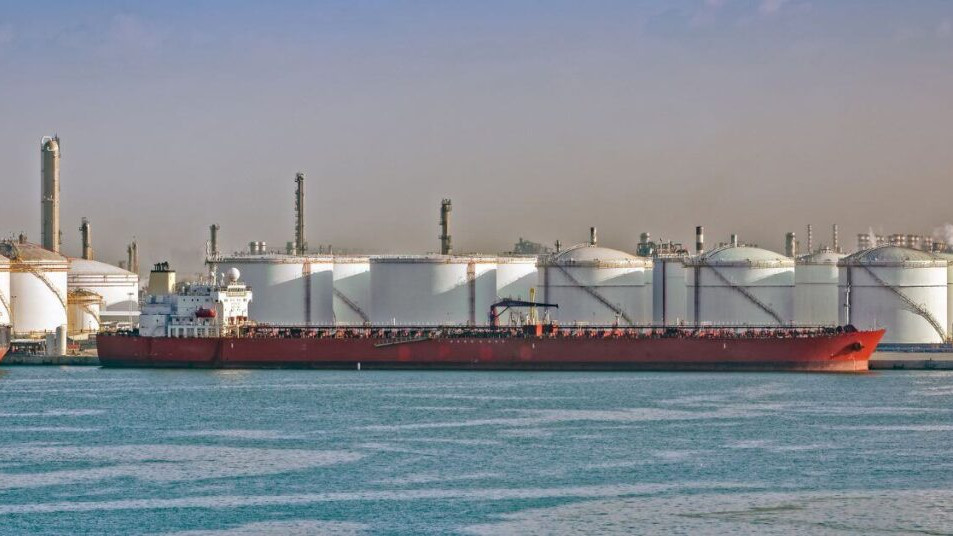
“Tanker costs have skyrocketed over the last few weeks,” Saad wrote. The reason why tanker costs have skyrocketed has everything to do with conflict in Ukraine, Russia and Iran. O’Rourke said the market for very large crude carriers — an actual class of vessels known in the industry as VLCCs — is the most competitive of any vessel class.
Some of those ships have been damaged in attacks on the western side of the Strait of Hormuz. “And the shortage has changed how Canadian heavy oil gets to Asia,” O’Rourke said in an interview. Alberta heavy crude loaded at Trans Mountain’s terminal before the closure of the Strait of Hormuz would travel down the West Coast toward California and then move onward.
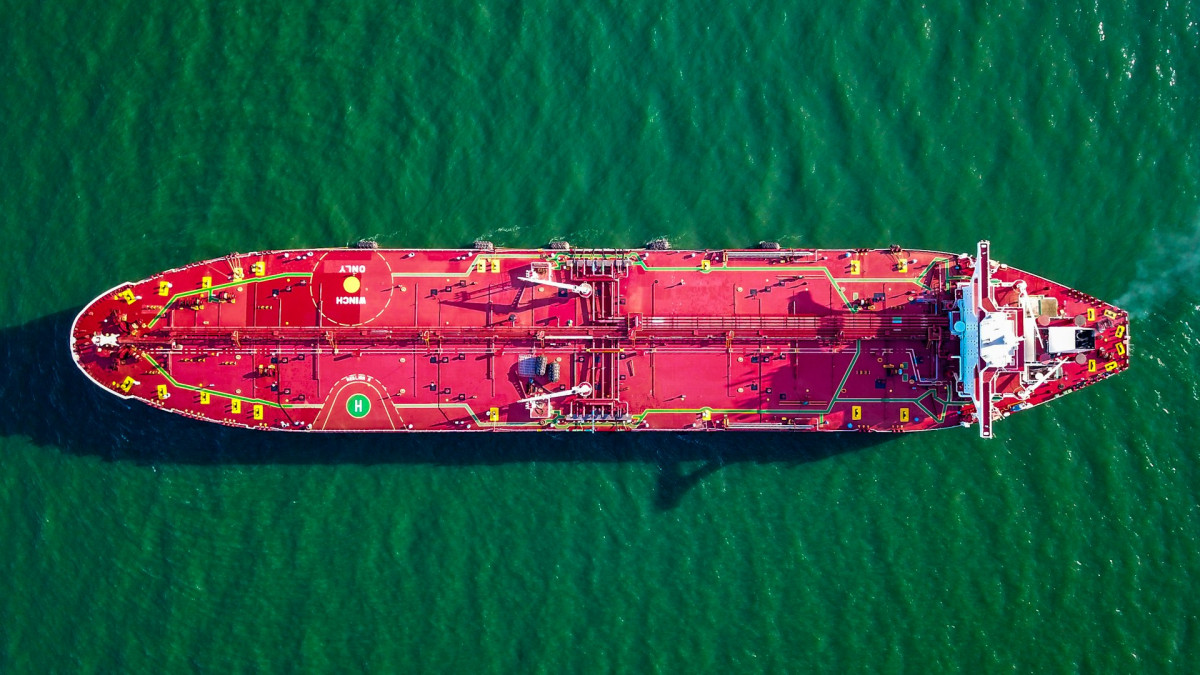
Now, more of it is sailing straight to Asia on smaller tankers carrying up to 700,000 barrels, compared with more than a million for a very large carrier. O’Rourke said the vessel-size problem is one reason the proposed Pacific Link pipeline would end at Roberts Bank rather than Trans Mountain’s Westridge terminal in Burnaby. Westridge can only handle a smaller class of ships, while Roberts Bank could take the very large ones bound directly for Asian buyers.
He said tanker markets will likely take time to normalize. “There are only about a thousand VLCCs in the world,” he said, “and about five per cent of them are currently out of service.” Rory Johnston, a Toronto-based oil market researcher, agrees. Johnston said the world could be in the tightest oil tanker market in history.
“Shipping crude from the Middle East to China normally costs about $3 a barrel,” he said in an interview. “It now costs around $42.” To Johnston, that matters for Alberta’s heavy crude in two ways. First, the final buyers of Canadian heavy crude are increasingly in Asia, not on the U.S.
Gulf Coast. “That’s true whether the barrels leave from the B.C. coast or are re-exported from the Gulf to places like India,” he said. With those routes now so expensive, Alberta’s heavy crude trades hands at a discount to cover the higher freight bill.
The second, is that heavy, high-sulphur grades are discounted further because they yield less valuable product per barrel shipped. “The world wants more diesel right now and you get more diesel from lighter, sweeter oil,” Johnston said. “Not Alberta’s heavy crude.” “It’s one more reason why Alberta’s heavy crude has lost value in the global marketplace,” added O’Rourke.
Making matters worse, tanker supply is shrinking just as demand for ships is rising. Conflicts between the U.S. and Iran, and between Russia and Ukraine, have taken vessels out of service through attacks. “Think drone strikes on engine rooms,” Johnston said.
“There have been 24 attacks on shipping vessels since Sept. 30. That’s the fastest pace since the war began, and tanker rates have exploded over the past six weeks or so.” Meanwhile, more oil is heading to Asia on longer voyages, which ties up more ships. To Johnston, once the conflict in the Middle East subsides, only then will the world once again place a higher value on Alberta’s heavy crude.
“Relief depends mostly on an end to the war with Iran, which seems unlikely in the near term,” he said. “But you never know, it could all end tomorrow, so we’ll see.” Join the Conversation This website uses cookies to personalize your content (including ads), and allows us to analyze our traffic. Read more about cookies here .
By continuing to use our site, you agree to our Terms of Use and Privacy Policy .
Source: Financial Post